Homeless Outreach
Request that Ascencia, Home Again Los Angeles, or the Glendale Police Department reach out to a homeless individual or family.

The City of Glendale conducts its annual Point-in-Time (PIT) Count to measure the scope of homelessness within the community. This count includes both sheltered and unsheltered individuals experiencing homelessness and serves as a vital tool for understanding local trends, evaluating existing programs, and identifying the needs of the unhoused population in Glendale.
The PIT Count is part of a nationwide initiative to provide a comprehensive "snapshot" of homelessness on a single day each year. While the U.S. Department of Housing and Urban Development (HUD) requires local jurisdictions to conduct the PIT Count biennially, typically during the last 10 days of January, to remain eligible for Continuum of Care (CoC) funding, Glendale goes further by conducting the count annually. This approach allows the City to maintain a more consistent, data-driven strategy for addressing homelessness.
As one of over 400 jurisdictions that apply annually for HUD CoC funding, Glendale’s yearly count strengthens its ability to respond to emerging needs.
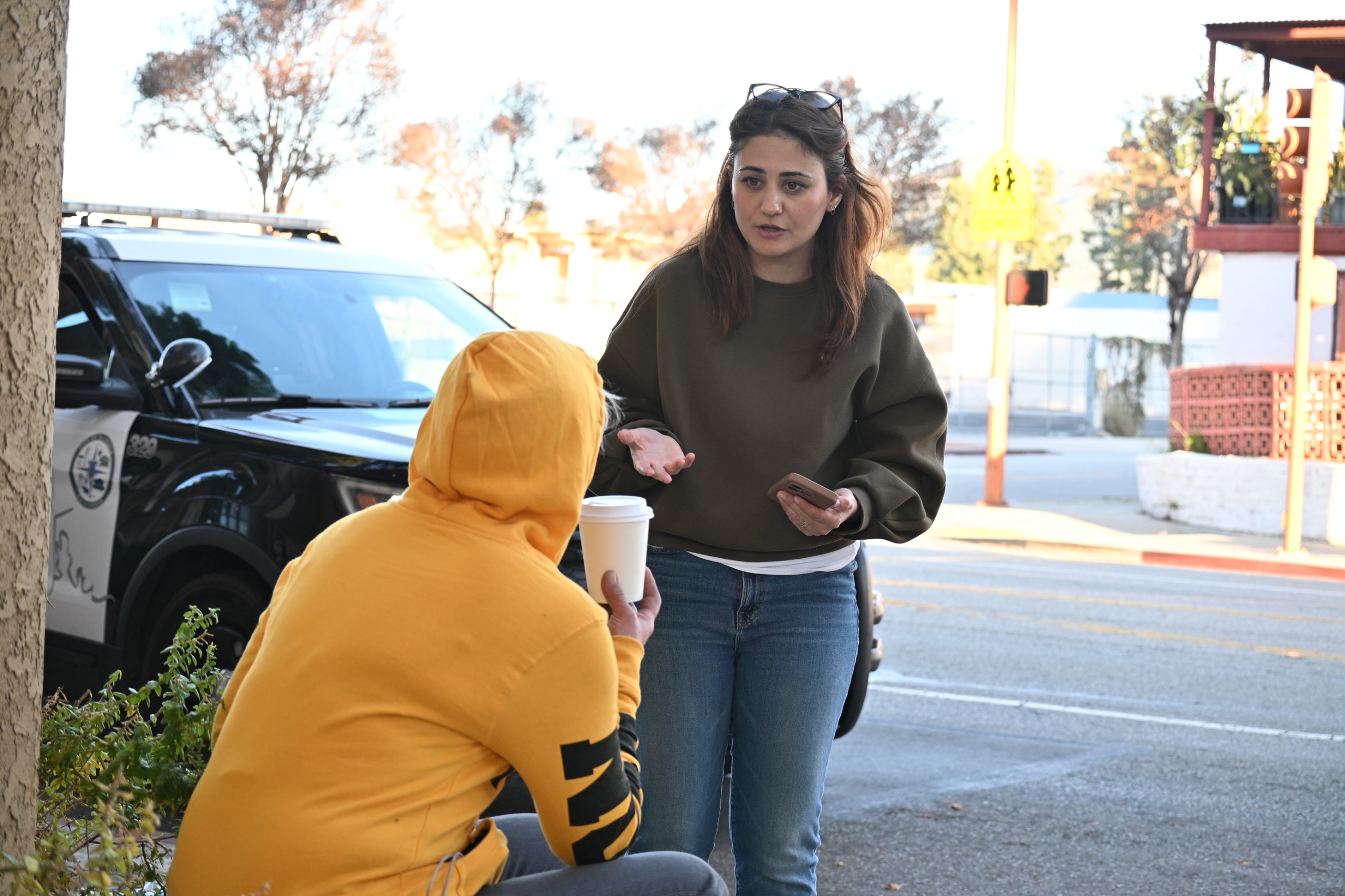
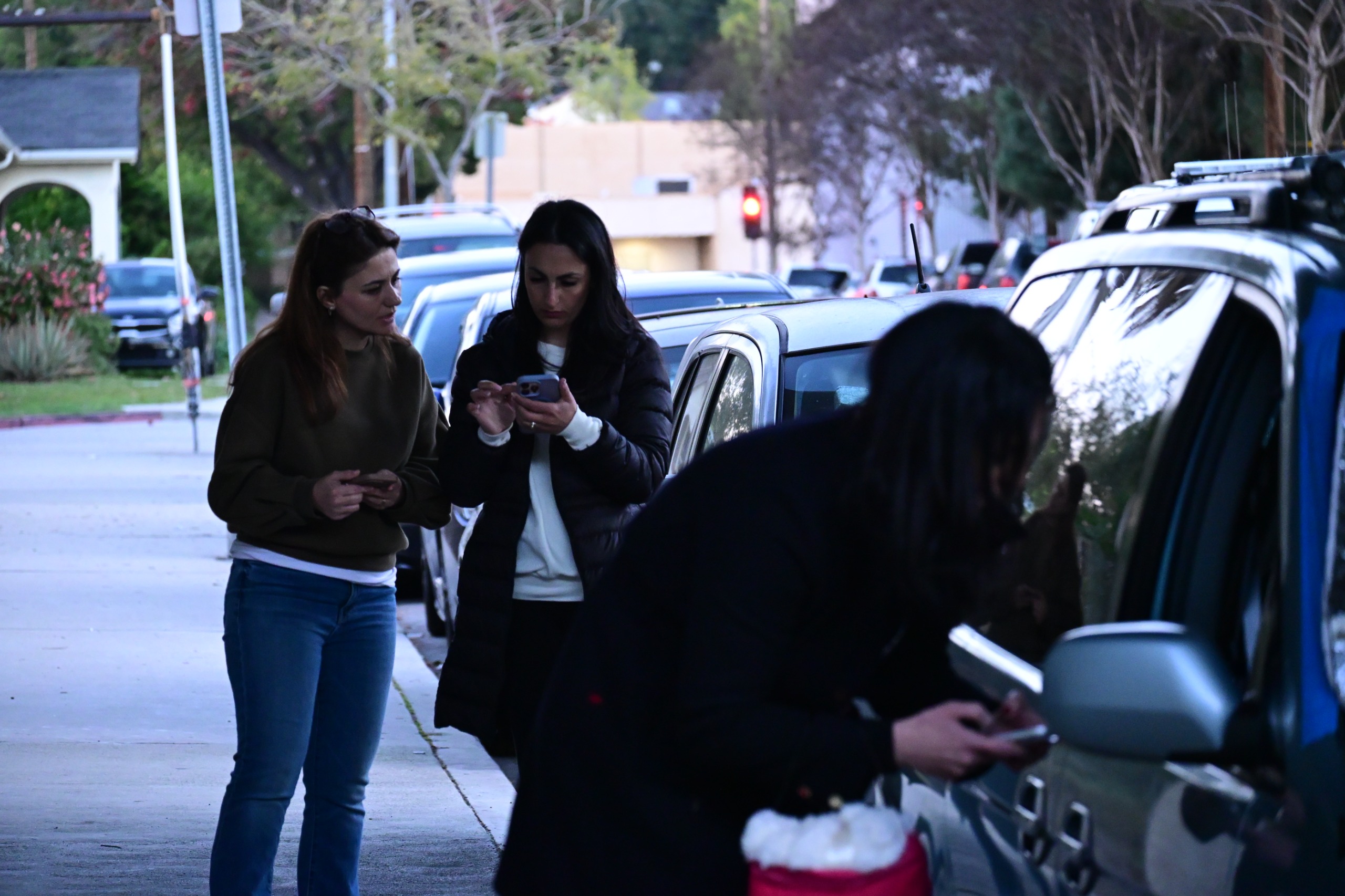
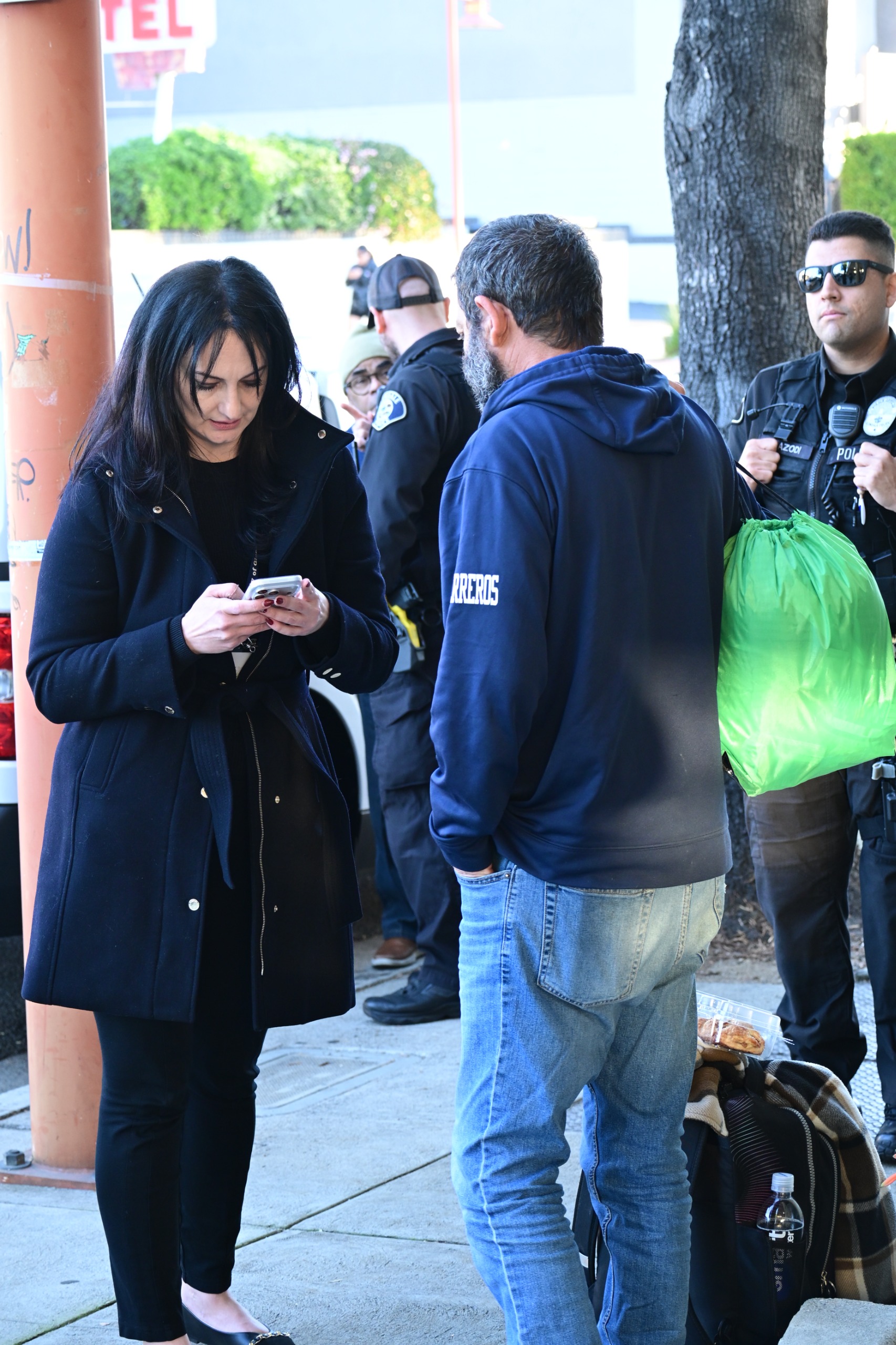
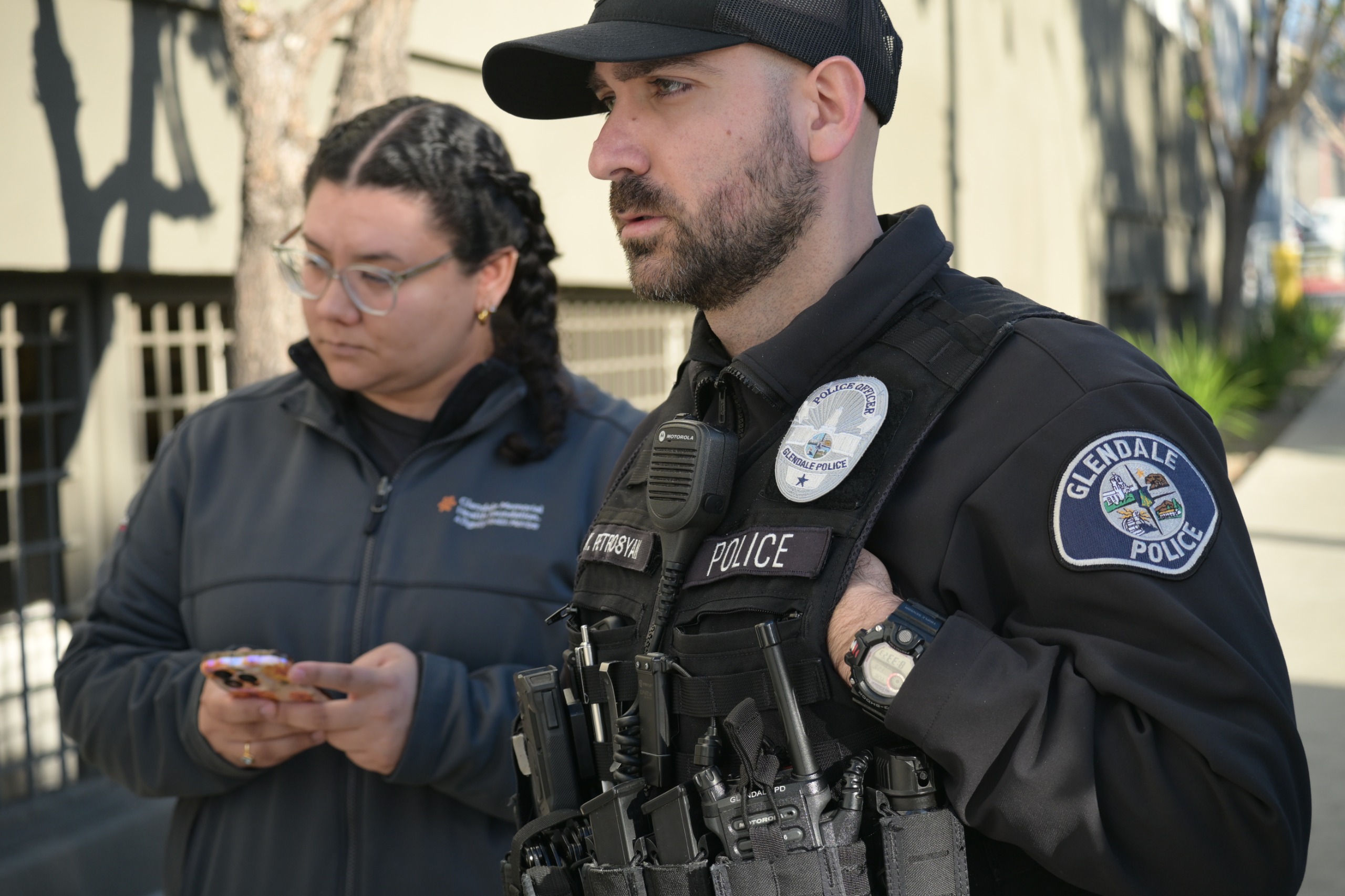
The City of Glendale held the 2026 Glendale Homeless Count on Tuesday, January 20. The count spanned the full day and it was made possible through the generous support of community volunteers, the Glendale Police Department, City staff, and donors, including Door of Hope, First Baptist Church of Glendale, and Dignity Health SoCal.

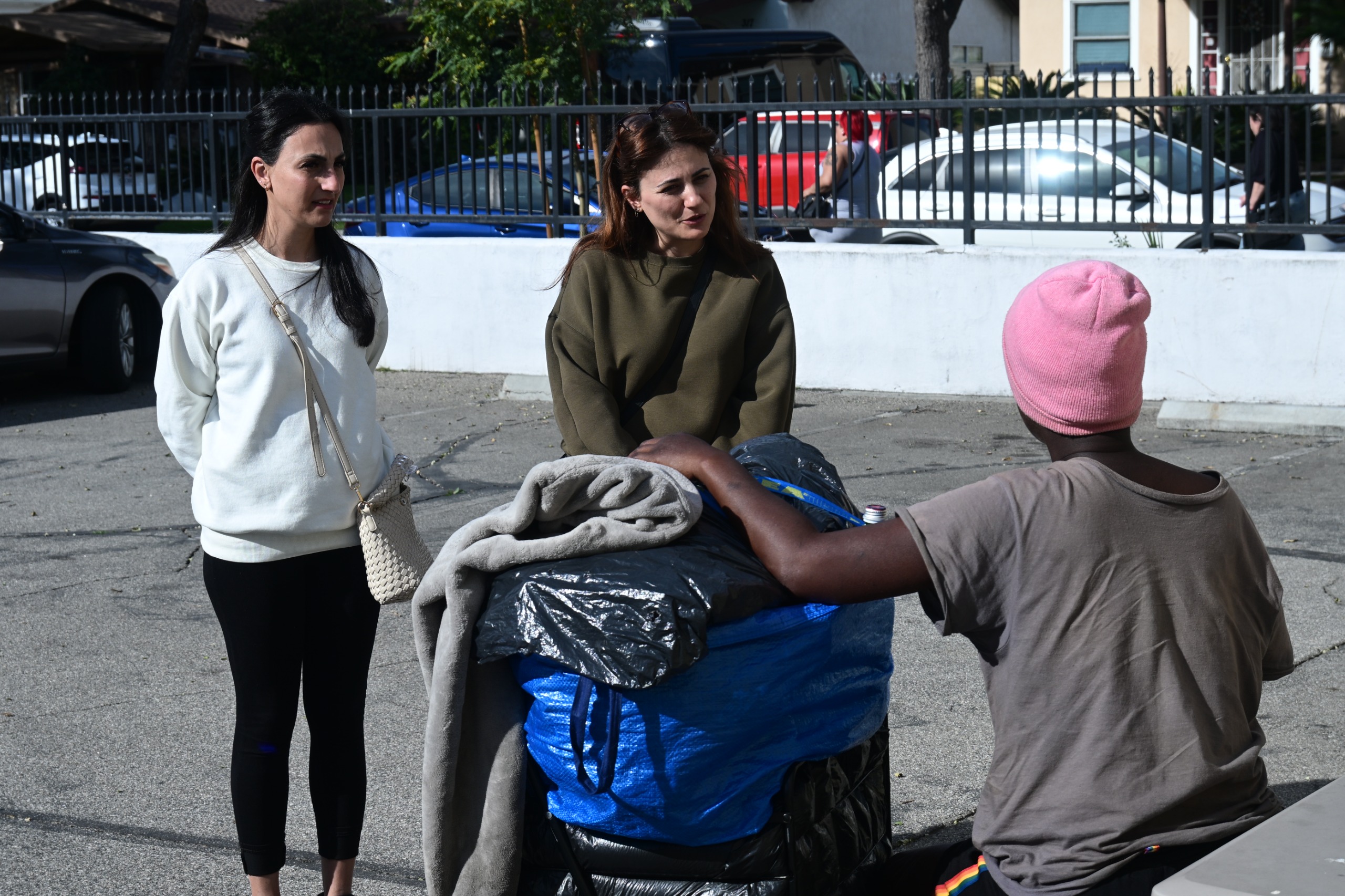
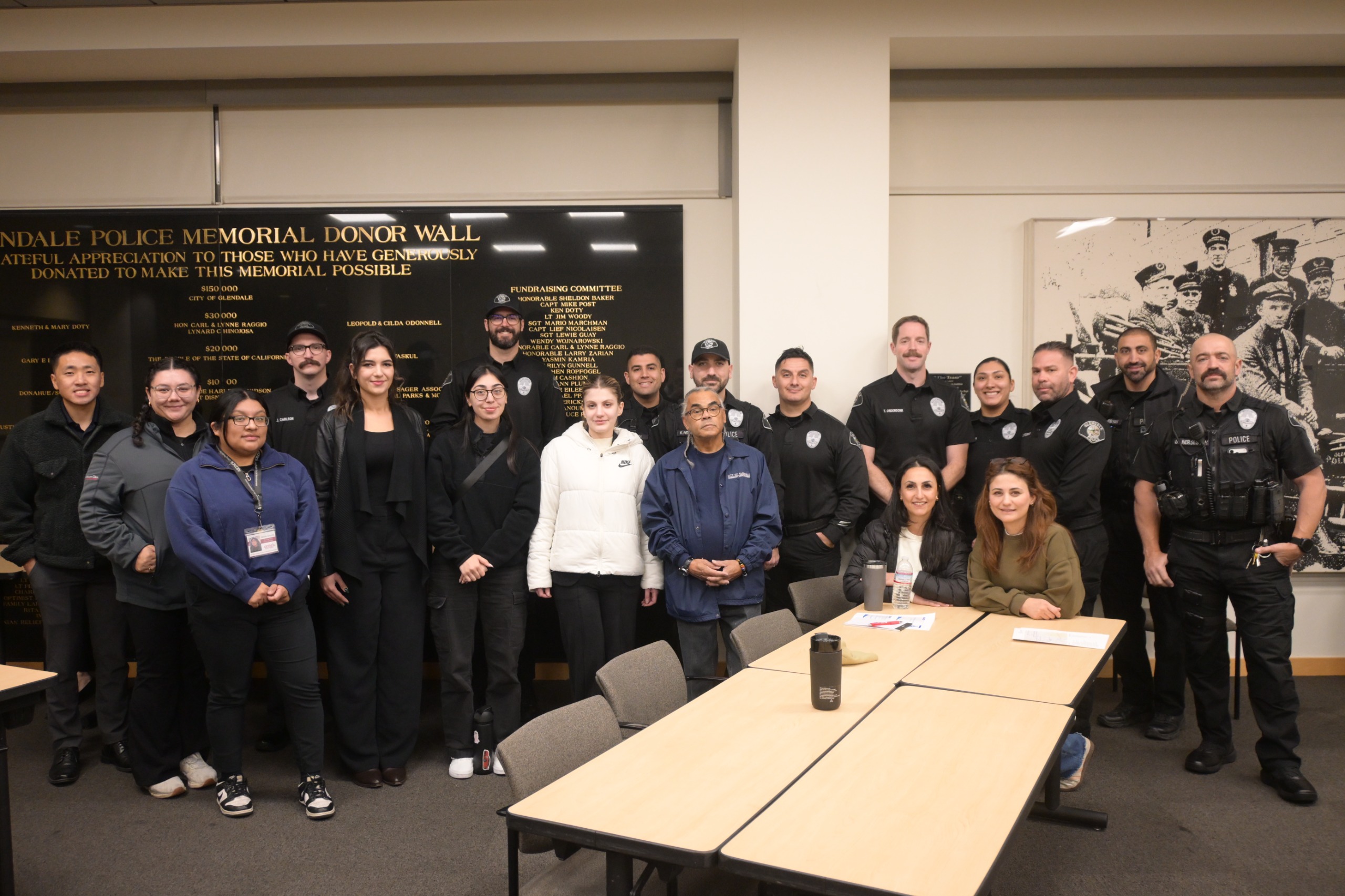
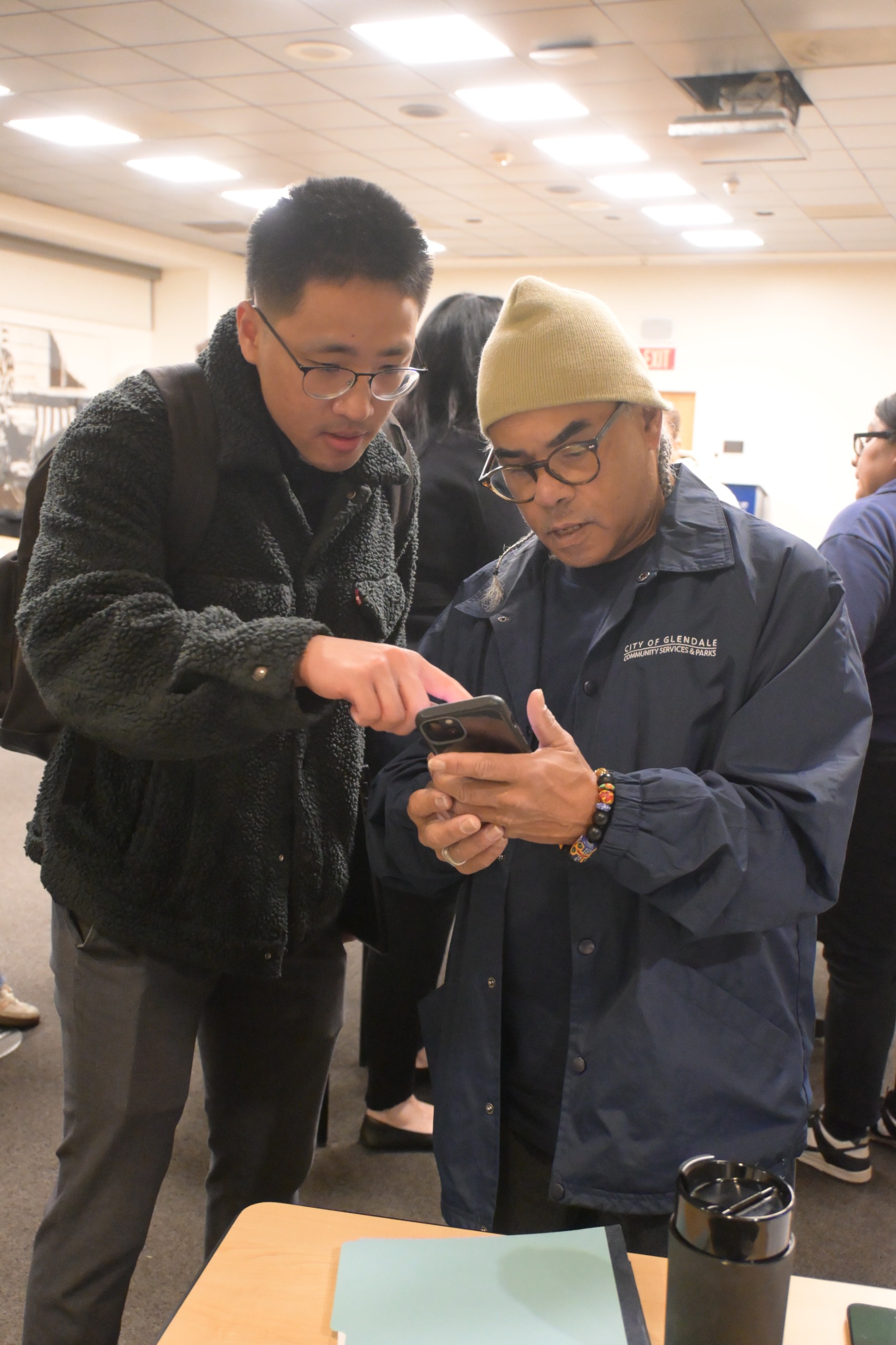
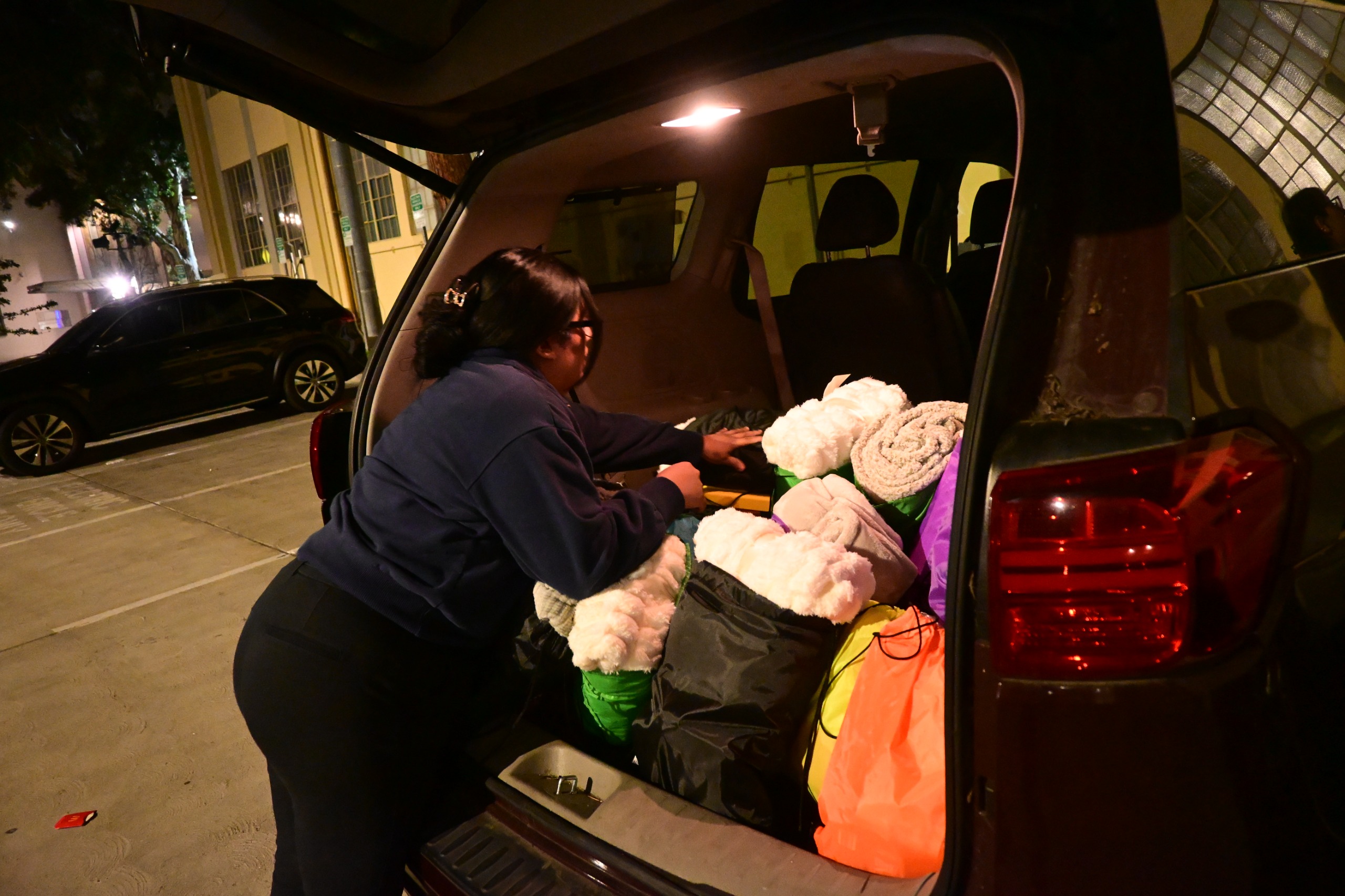
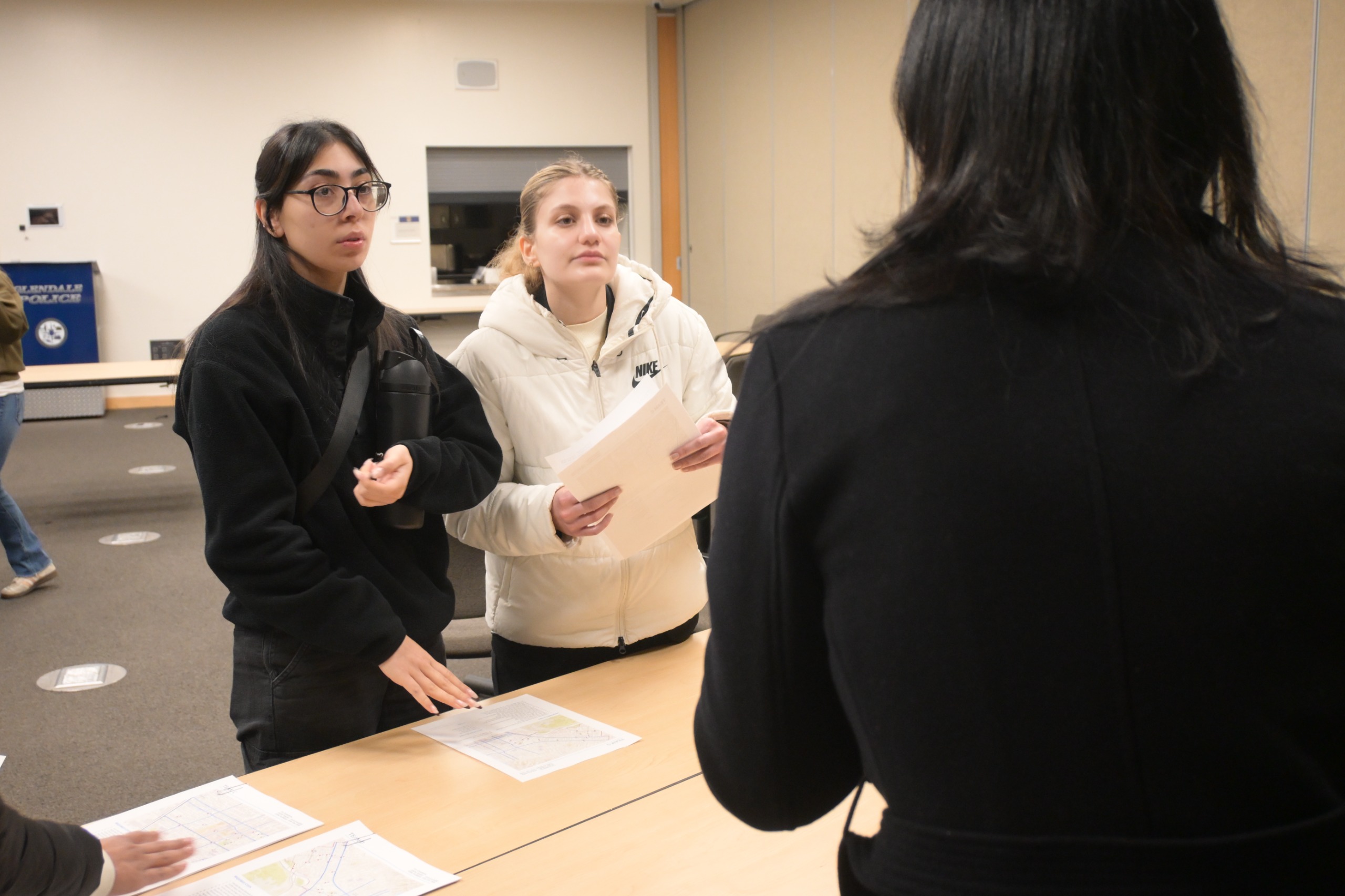
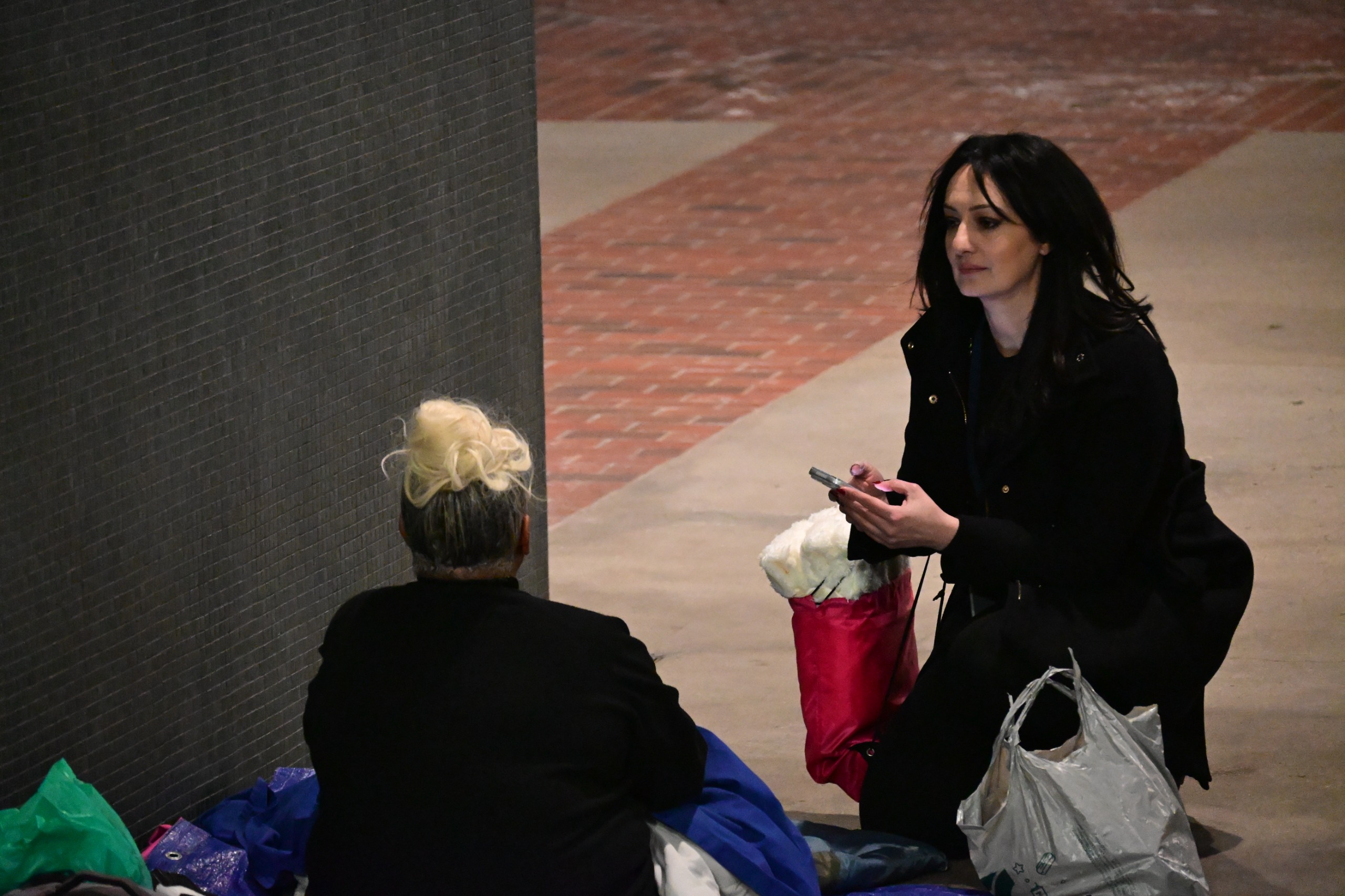
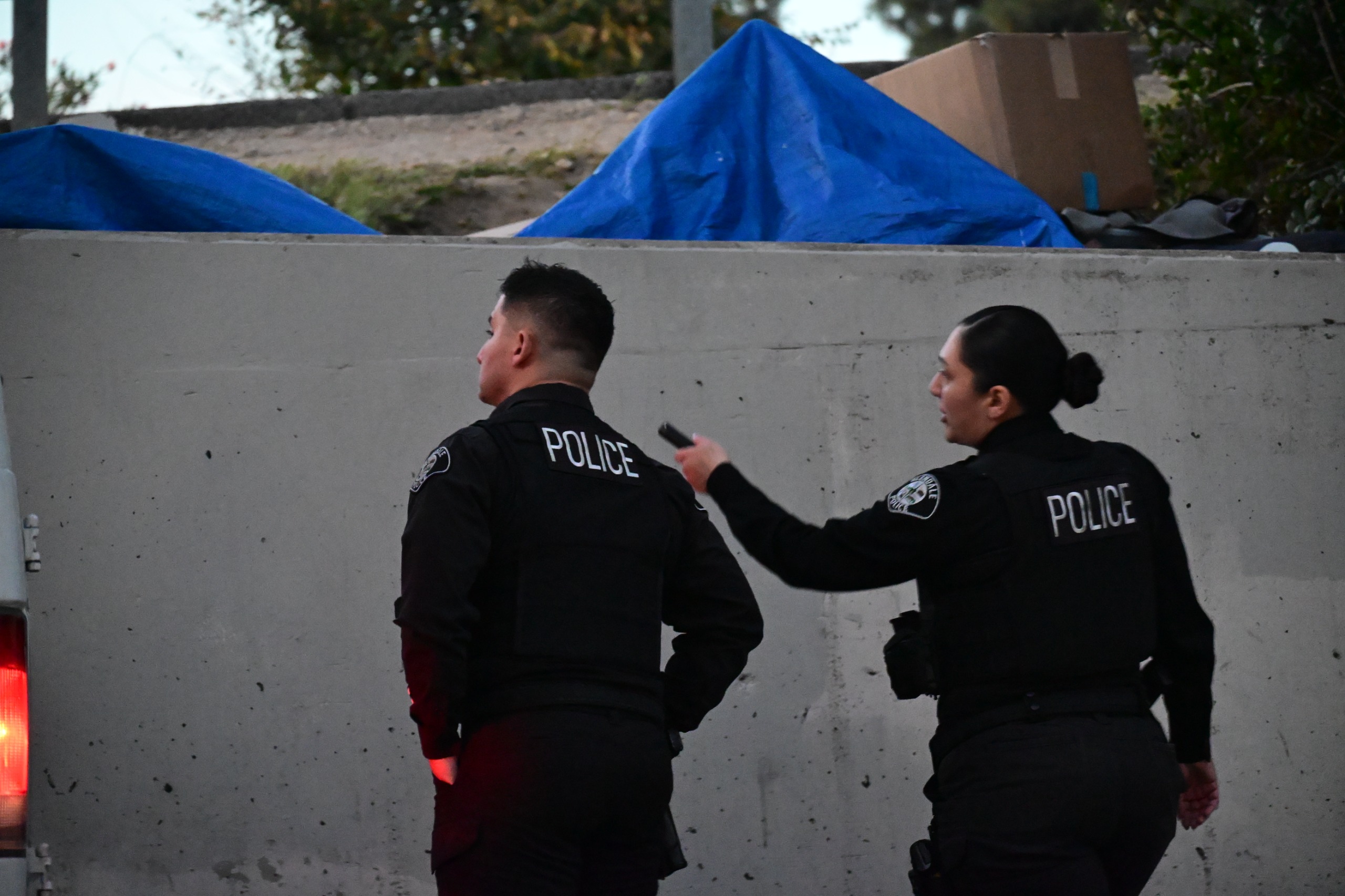
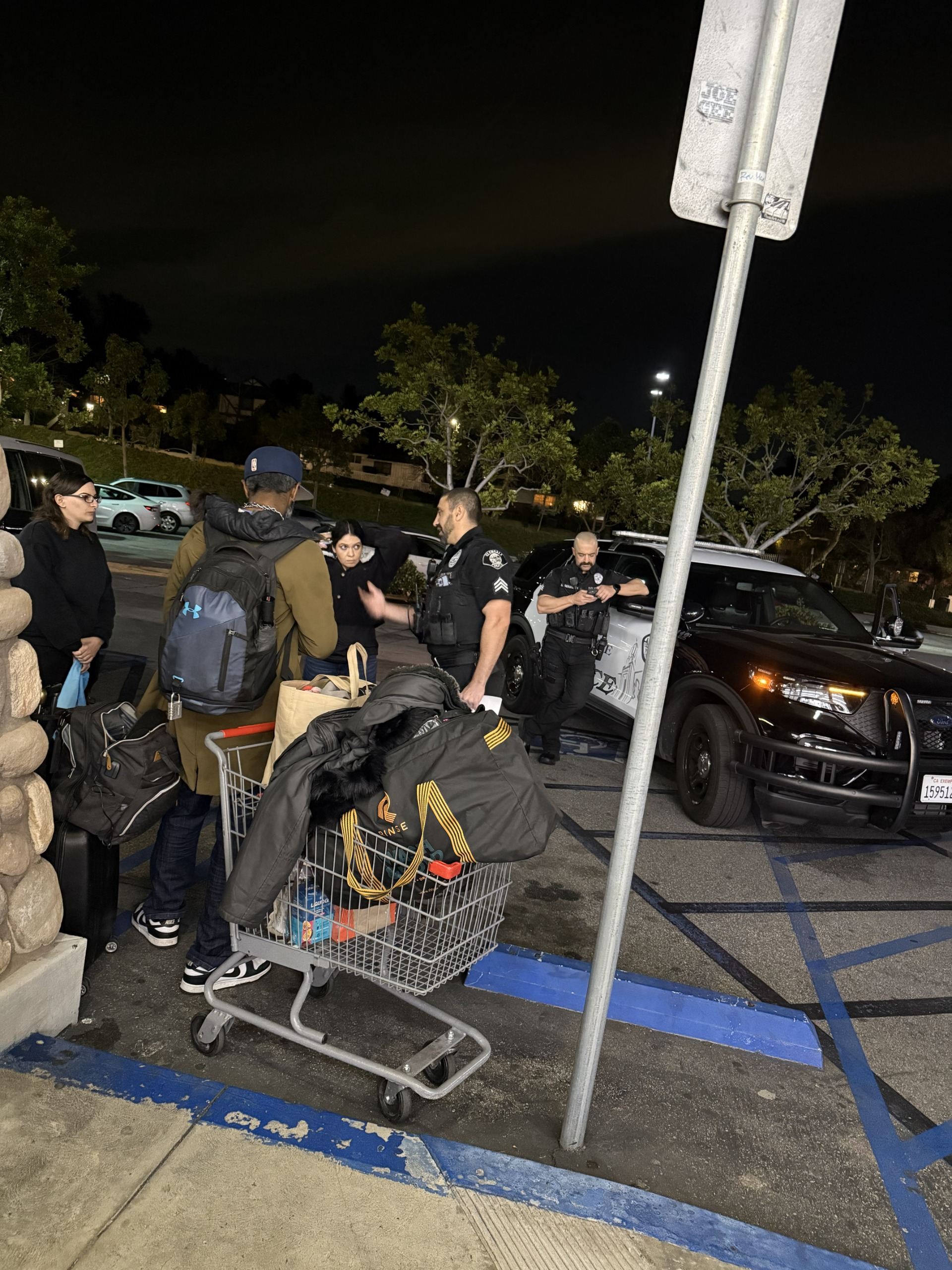
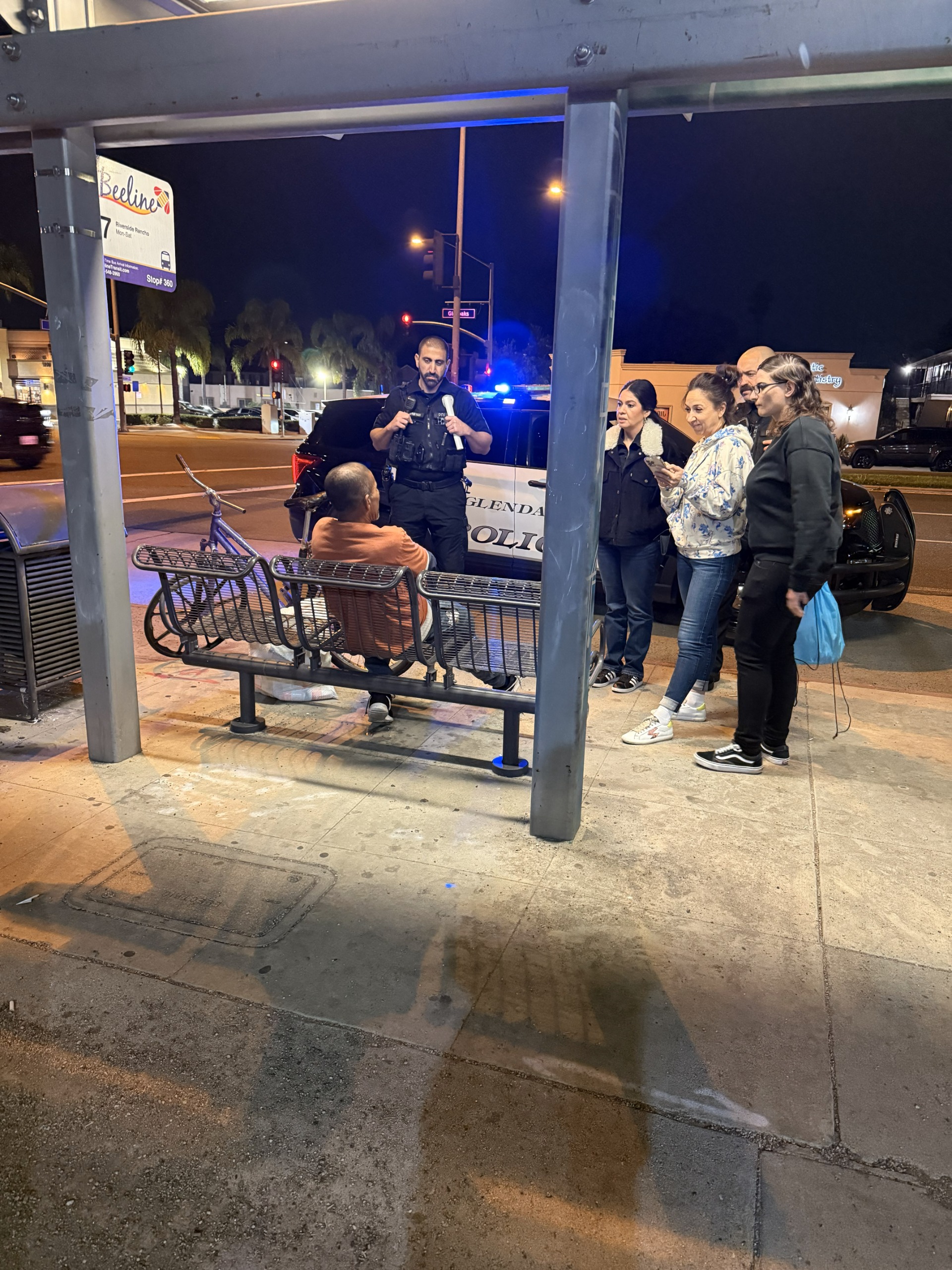
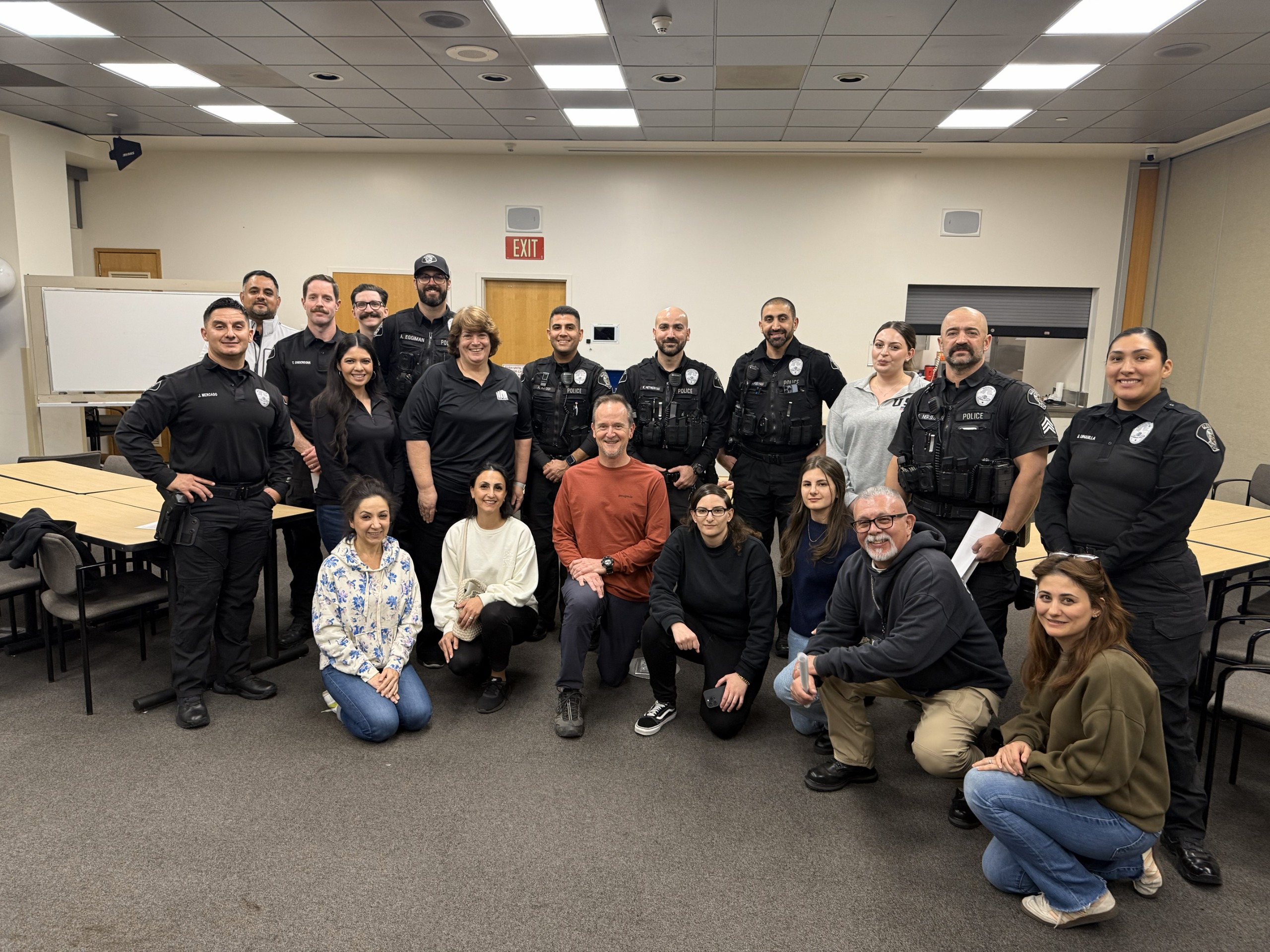
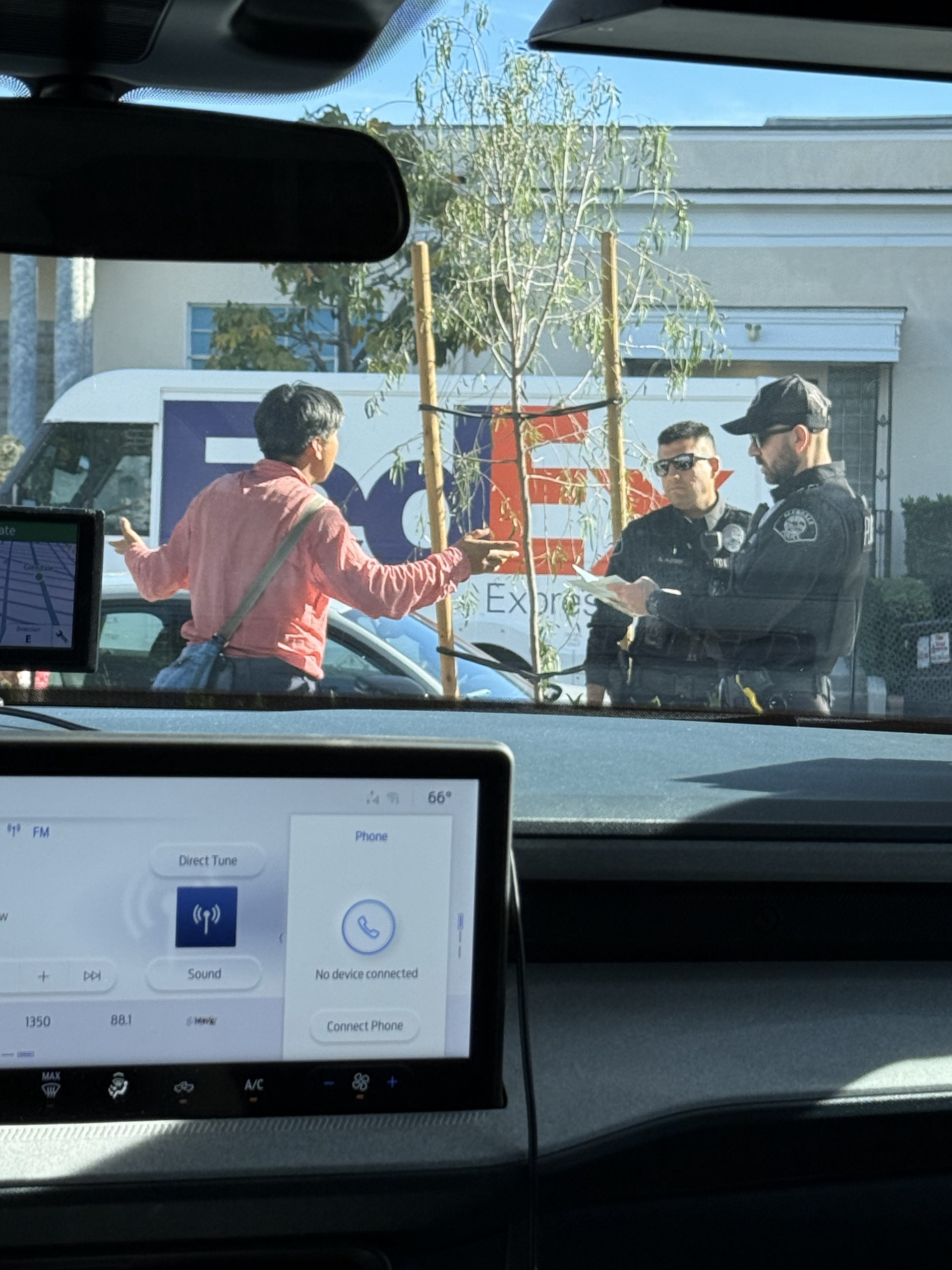
The methodology behind the PIT Count is carefully designed to ensure that data collected is as accurate and representative as possible. The process involves two key components:
Incorporating both direct engagement and administrative data allows the city to create a morecomplete picture of homelessness in Glendale. The approach prioritizes data integrity, dignity, andrespect for those being surveyed, while minimizing bias and ensuring demographic representation.
The unsheltered count focuses on areas within Glendale that have high concentrations of homelessness. These high-priority areas are identified using local data, prior knowledge, and input from service providers and law enforcement. To ensure the count’s accuracy, trained survey teams conduct face-to-face interviews with individuals living on the streets or in places not meant for habitation. These teams are supervised by Glendale Police officers to guarantee both the effectiveness and safety of the process.
The sheltered count is an important complement to the unsheltered Count, focusing onindividuals residing in formal housing arrangements, such as shelters and transitional housingprograms. While the unsheltered count addresses those living on the streets or in places notmeant for habitation, the sheltered count captures individuals experiencing homelessness whoare temporarily housed in structured settings, like emergency shelters or transitional housingprograms.
The goal of the sheltered count is to identify and collect data on individuals residing in emergency shelters, transitional housing, or temporary housing provided by third-party social service agencies. Although temporarily housed, these individuals are still considered homeless under the HUD definition due to the lack of permanent, stable housing. Tracking those in shelters helps to fully capture the scope of homelessness, including individuals who may face challenges in securing long-term housing.
The City of Glendale and its partners offer a variety of homeless services.
Request that Ascencia, Home Again Los Angeles, or the Glendale Police Department reach out to a homeless individual or family.
The Glendale Continuum of Care (CoC) Resource Guide includes contact information for organizations that provide one-stop social services, homeless prevention services, help for domestic violence survivors and rapid rehousing, health care, youth services, and more.
The Glendale Continuum of Care (CoC) coordinates community resources to respond to chronic homelessness with the goals of preventing homelessness, providing housing and related support to people currently experiencing homelessness, and preventing recidivism.
The Salvation Army Mobile Shower Program provides a shower and a meal for unsheltered individuals.
A monetary incentive to encourage landlord participation in housing programs offered by the Glendale Continuum of Care (CoC).

613 E. Broadway, Glendale, CA 91206
| Phone | 818-937-8146 |
|---|---|
| Engage@GlendaleCA.gov | |
| Website | www.GlendaleCA.gov |